> Skip to content
[]
  • Published: 26 May 1995
  • ISBN: 9781857152036
  • Imprint: Everyman
  • Format: Hardback
  • Pages: 360
  • RRP: $44.99
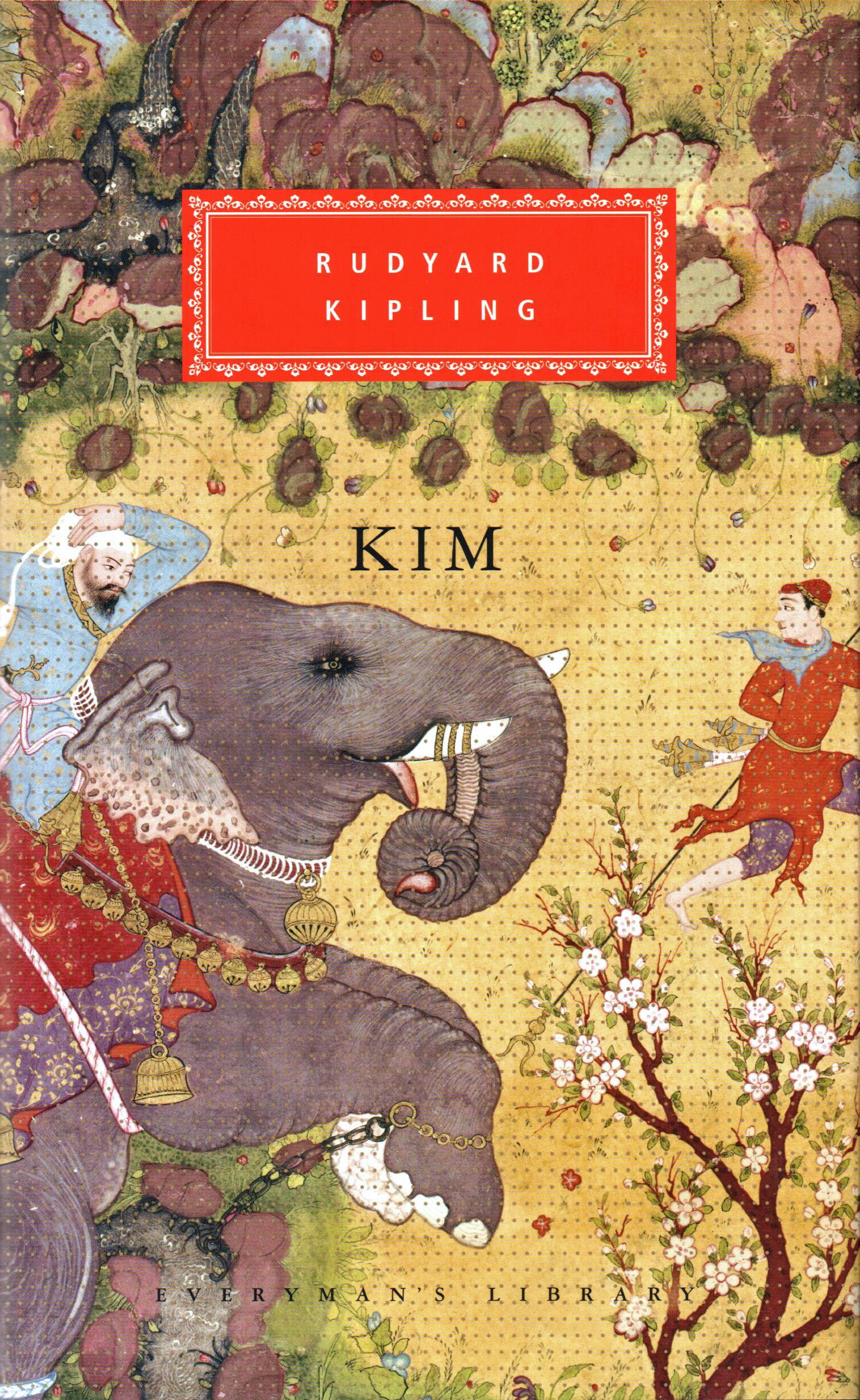
Kim


Kipling's masterpiece about a boy's journey through imperial India, edited by Harish Trivedi

Kipling's masterpiece is perhaps the most remarkable literary product of British India. The story of a half-caste boy, part Indian part Irish who journeys throughout the subcontinent with an aged lama in search of religious enlightenment, the nominal plot revolves around the Great Game: the struggle between Britian and Russia for control of Afghanistan. But the glory of the book lies less in the amusing picaresque adventures than in the unsurpassed panorama of Indian life they evoke: brilliant, moving and intensely alive.

  • Published: 26 May 1995
  • ISBN: 9781857152036
  • Imprint: Everyman
  • Format: Hardback
  • Pages: 360
  • RRP: $44.99

Other books in the series

The New Penguin Book Of American Short Stories, From Washington Irving To Lydia Davis
A Dog's Heart
The Black Tulip
The Lady of the Camellias
Selected Poetry
On Sparta
Venus in Furs
Man and Superman
Botchan
Military Dispatches

About the authors

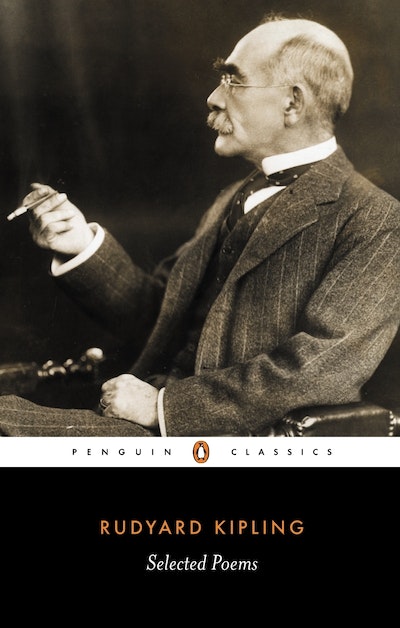
Rudyard Kipling

Rudyard Kipling was born in Bombay, India, to British parents on December 30, 1865. In 1871 Rudyard and his sister, Trix, aged three, were left to be cared for by a couple in Southsea, England. Five years passed before he saw his parents again. His sense of desertion and despair were later expressed in his story "Baa Baa, Black Sheep" (1888), in his novel The Light That Failed (1890), and in his autobiography, Something of Myself (1937). As late as 1935, Kipling still spoke bitterly of the "House of Desolation" at Southsea: "I should like to burn it down and plough the place with salt." Kipling and his wife settled in Brattleboro, Vermont, where Kipling wrote The Jungle Book (1894), The Second Jungle Book (1895), and most of Captains Courageous (1897). By this time Kipling's popularity and financial success were enormous. In 1899 the Kiplings settled in Sussex, England, where he wrote some of his best books: Kim (1901), Just So Stories (1902), and Puck of Pook's Hill (1906). In 1907 he received the Nobel Prize for Literature. By the time he died, on January 18, 1936, critical opinion was deeply divided about his writings, but his books continue to be read by thousands.
Pankaj Mishra

Pankaj Mishra is the author of Age of Anger: A History of the Present, From the Ruins of Empire: The Intellectuals Who Remade Asia, and several other books of nonfiction and fiction. Mishra won the 2024 Weston International Award, as well as the 2014 Windham–Campbell Prize for nonfiction. He writes regularly for The New Yorker, The New York Review of Books, The Guardian, and The London Review of Books, among others.