[]
- Published: 26 May 2005
- ISBN: 9780141921211
- Imprint: Penguin eBooks
- Format: EBook
- Pages: 576
Categories:
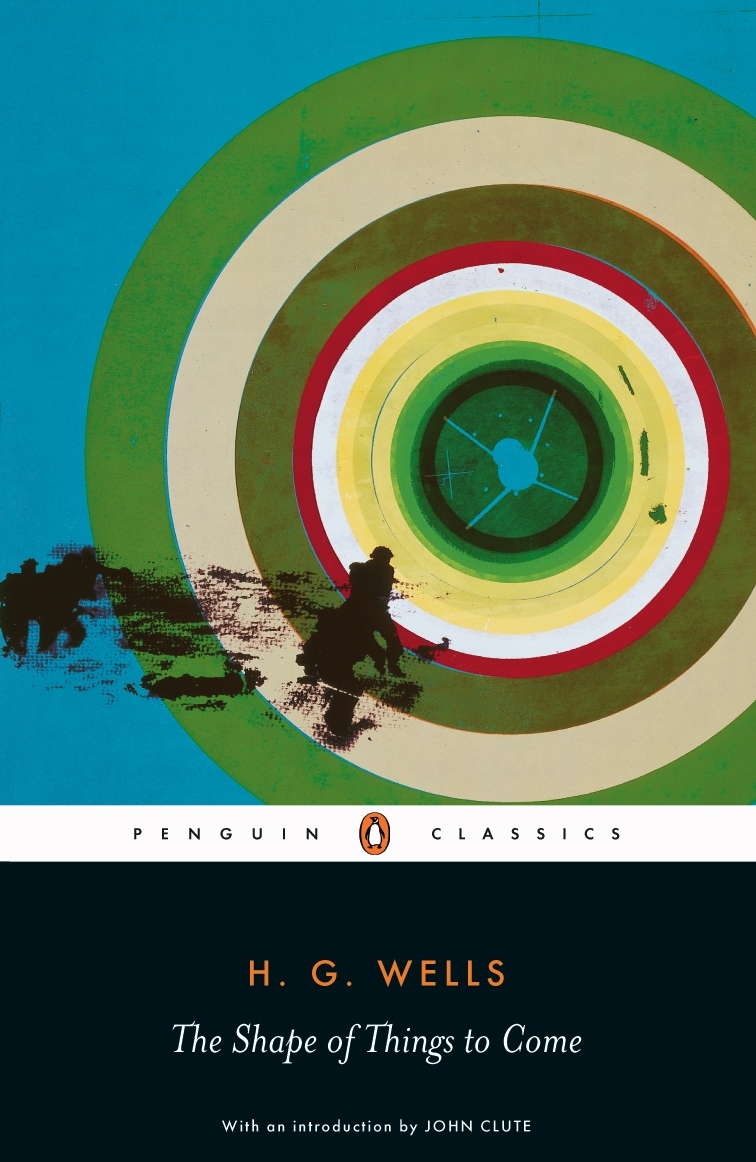
The Shape of Things to Come
Formats & editions
Buy from…
Rediscover H.G. Wells - what does he mean to you?
When Dr Philip Raven, an intellectual working for the League of Nations, dies in 1930 he leaves behind a powerful legacy - an unpublished 'dream book'. Inspired by visions he has experienced for many years, it appears to be a book written far into the future: a history of humanity from the date of his death up to 2105. The Shape of Things to Come provides this 'history of the future', an account that was in some ways remarkably prescient - predicting climatic disaster and sweeping cultural changes, including a Second World War, the rise of chemical warfare, and political instabilities in the Middle East.
- Published: 26 May 2005
- ISBN: 9780141921211
- Imprint: Penguin eBooks
- Format: EBook
- Pages: 576

Categories:
Other books in the series
A Dead Man's Memoir (A Theatrical Novel)
Mikhail Bulgakov
A Dog's Heart
Mikhail Bulgakov
The Man Who Was Thursday
G. K. Chesterton
The Black Tulip
Alexandre Dumas
The Lady of the Camellias
Alexandre Dumas fils
Faust, Part I
Goethe
Faust, Part II
Goethe
Selected Poetry
Goethe Johann Wolfgang Von
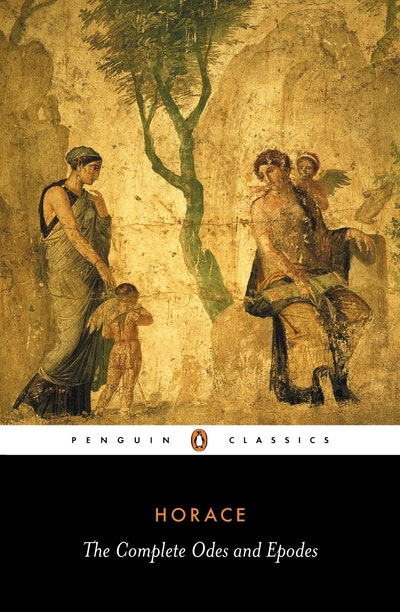
The Complete Odes and Epodes
Horace
The Aeneid
Virgil
Species of Spaces and Other Pieces
Georges Perec
The Age of Alexander
Plutarch
Fall Of The Roman Republic
Plutarch
The Makers of Rome
Plutarch
On Sparta
Plutarch
The Rise And Fall of Athens
Plutarch
The Rise of Rome
Plutarch
Rome in Crisis
Plutarch
Man and Superman
George Bernard Shaw
Saint Joan
George Bernard Shaw
Botchan
Natsume Soseki
Kusamakura
Natsume Soseki
Military Dispatches
The Duke Of Wellington
Journey to the Centre of the Earth
Jules Verne
Treatise On Toleration
Voltaire
About the author
English novelist, journalist, sociologist, and historian, whose science fiction stories have been filmed many times. WELLS’ best known works are THE TIME MACHINE, one of the first modern science fiction stories, THE INVISIBLE MAN, and THE WAR OF THE WORLDS. Wells wrote over a hundred of books, about fifty of them novels.
H.G. Wells was born in Bromley, Kent, in 1866. After an education repeatedly interrupted by his family’s financial problems, he eventually found work as a teacher at a succession of schools, where he began to write his first stories.
Wells became a prolific writer with a diverse output, of which the famous works are his science fiction novels. These are some of the earliest and most influential examples of the genre, and include classics such as The Time Machine and The War of the Worlds. Most of his books very well-received, and had a huge influence on many younger writers, including George Orwell and Isaac Asimov. Wells also wrote many popular non-fiction books, and used his writing to support the wide range of political and social causes in which he had an interest, although these became increasingly eccentric towards the end of his life.
Twice-married, Wells had many affairs, including a ten-year liaison with Rebecca West that produced a son. He died in London in 1946.